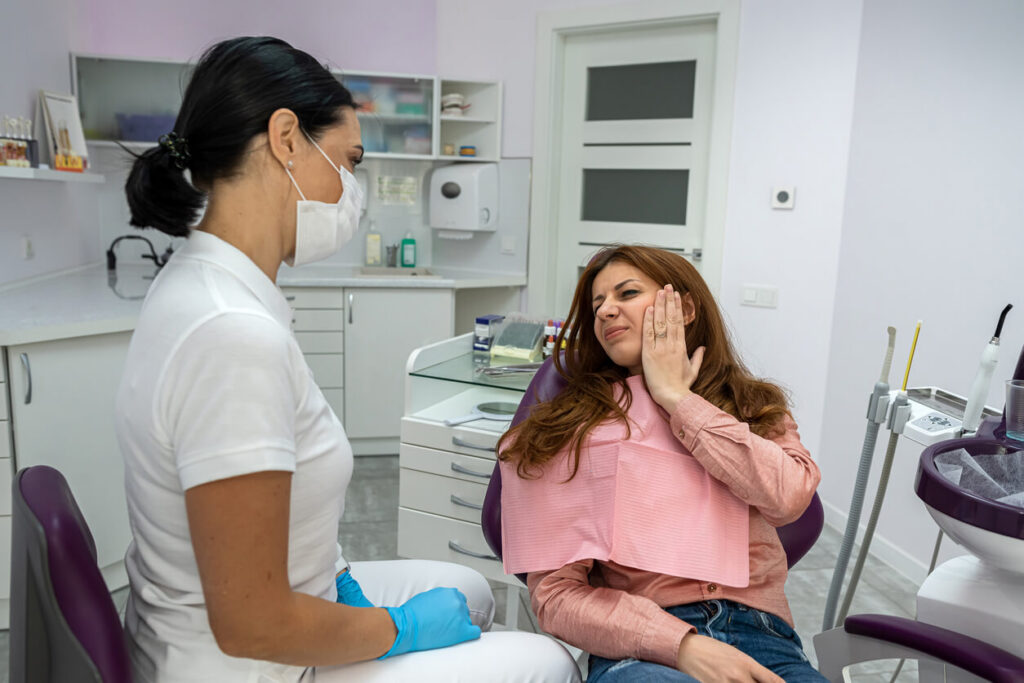

A dental emergency has a way of hijacking your whole day. One minute you are eating lunch, coaching a game, driving home from work, or getting ready for bed. The next, you have a cracked tooth, a mouth full of blood, swelling in your jaw, or the sharp, pulsing kind of tooth pain that makes it hard to think straight.
When that happens, most people ask the same question: where to go for dental emergency care? The answer depends on what is happening, how severe it is, and whether the problem is limited to your teeth and gums or involves a bigger medical risk. Some situations call for an emergency dentist. Others belong in an emergency room. Knowing the difference can save time, protect your oral health, and help you get the right treatment faster.
If you are in Norton or nearby communities, the most important thing to remember is this: not all dental problems belong in a hospital, but some absolutely do. A broken filling at 2 p.m. is not the same as uncontrolled bleeding after facial trauma. A lost crown is inconvenient. Trouble breathing is life threatening. The right destination matters.
Start with one question: is it dental, medical, or both?
The simplest way to decide where to go for dental emergency treatment is to ask whether the problem is mainly in the tooth and gums, or whether it includes a broader medical danger. If the issue is isolated to a tooth, gum tissue, restoration, or bite, an emergency dentist is usually the best first stop.
If the injury includes severe bleeding, facial trauma, suspected broken bones, trouble swallowing, trouble breathing, or swelling that seems to be spreading into the face or neck, skip the guesswork and head to the nearest emergency room. In those moments, immediate attention is more important than convenience. A hospital emergency room is equipped to manage life threatening complications, stabilize oral injuries, and address other injuries that may have happened at the same time.
When to go to an emergency dentist
An emergency dentist is usually the right choice for urgent dental problems that need prompt treatment but are not life threatening. Emergency dental care is designed for tooth-related issues such as a broken tooth, a cracked tooth, a lost crown, severe toothache, lost fillings, and some tooth infections.
A dental office can evaluate the cause of the pain, take dental images, protect the damaged tooth, and recommend treatment options that an emergency room often cannot provide. In many cases, emergency dental care is more direct, more efficient, and more cost-effective than going to the hospital for a problem that truly belongs in dentistry.
At a practice that offers emergency dental treatment in Norton, patients can often get the kind of targeted dental care that actually solves the problem instead of simply managing symptoms for a few hours.
When to go to the emergency room
There are times when the emergency room is the right answer, full stop. If you have uncontrolled bleeding, severe bleeding that does not slow down, major facial trauma, or swelling that affects breathing or swallowing, go to the emergency room immediately. These are not wait-and-see situations.
The same is true if a dental injury happened during a fall, car accident, or sports collision and you may also have a concussion, jaw fracture, head injury, or neck injury. Emergency room providers can assess the full picture, not just the tooth. If there is excessive bleeding, loss of consciousness, or a rapidly spreading infection, the hospital emergency room should come before the dentist’s office.
Common dental emergencies and where they belong
Common dental emergencies range from mildly disruptive to genuinely alarming. The challenge is that pain can make every problem feel catastrophic. A useful rule is to focus on function, bleeding, swelling, and trauma.
If you are dealing with a damaged tooth, severe dental pain, or a restoration that has come loose, that usually points toward emergency dental care. If the issue includes severe bleeding, facial trauma, or signs of a life threatening infection, that points toward the emergency room.
Severe tooth pain or a severe toothache
Severe tooth pain can feel like a drumbeat inside your jaw. It may come from decay, a deep infection, a cracked tooth, gum irritation, or pressure inside the tooth. If you have severe dental pain or a severe toothache that does not improve, see your dentist as soon as possible.
An emergency room may be able to help relieve pain temporarily, but it usually will not fix the source of the problem. If pain persists, the underlying issue can worsen and lead to further damage. Tooth infections left untreated can spread, and what starts as severe tooth pain can become a larger health problem.
Knocked out tooth
A knocked out tooth is one of the clearest examples of a true dental emergency. Time matters. If an adult tooth has been completely knocked out, pick it up by the crown, not the root, and gently rinse it if dirty. Do not scrub it. If possible, place the tooth back into the tooth socket. If that is not possible, keep it moist in milk or saliva and see your dentist immediately.
A knocked out tooth has a better chance of being saved when you get emergency dental care soon as possible. If the injury involves one or more teeth plus facial trauma, severe bleeding, or signs of a broken jaw, go to the nearest emergency room first. A baby tooth that is knocked out is different; do not try to force a baby tooth back into place, and call your dentist for guidance.
Broken tooth, chipped tooth, or cracked tooth
A broken tooth may be obvious, like a jagged edge after biting something hard, or subtle, like a crack that sends a lightning-bolt jolt through the tooth when you chew. A chipped tooth may not hurt much at first, but a cracked tooth can expose inner layers and create serious pain.
Rinse with warm water, use a cold compress to reduce swelling, and avoid chewing on that side. Even if the pain seems manageable, see your dentist soon as possible. A damaged tooth can worsen quickly, especially if pressure or bacteria reach the inside of the tooth. Emergency dentistry can protect the structure, restore function, and prevent further damage.
Lost crown, lost fillings, and lost restorations
A lost crown may not seem dramatic, but it can leave the tooth exposed and vulnerable. The same goes for lost fillings and other lost restorations. You may notice sharp sensitivity, pain when biting, or a rough edge that irritates your soft tissues.
These problems usually belong in a dental office, not the emergency room. Avoid chewing on the area and keep the space clean with warm water. If you still have the lost crown, bring it with you. A dentist can determine whether it can be re-cemented or whether a new restoration is needed. Prompt dental care can prevent the tooth from fracturing or shifting.
Dental abscess and tooth infections
A dental abscess is not something to ignore. It can show up as swelling, a bad taste in the mouth, pressure, fever, pus, or severe tooth pain. Tooth infections can spread beyond the tooth, and when that happens, the risk rises fast.
If you suspect a dental abscess, seek care right away. In many cases, an emergency dentist can diagnose the problem and recommend treatment through endodontic care or another appropriate approach. But if the swelling is significant, if you have fever with worsening facial swelling, or if swallowing and breathing are affected, go to the emergency room. Tooth infections can become life threatening when they spread into deeper spaces of the face and neck.
Bleeding from the mouth or gums
Bleeding can look dramatic even when it is minor, so context matters. Slight bleeding after flossing too aggressively is not the same as uncontrolled bleeding after trauma or surgery. If bleeding stops with gentle pressure, you may still need to see your dentist, but it may not require the emergency room.
If there is uncontrolled bleeding, severe bleeding, or bleeding that does not ease with pressure, that is different. That kind of blood loss needs immediate care. Oral injuries involving the lips, cheeks, tongue, and other soft tissues can also require stitches or medical evaluation, especially if the cut is deep or the bleeding keeps going.
Objects stuck between teeth
Objects stuck between teeth can be surprisingly painful. Food fibers, popcorn hulls, bone fragments, or hard debris can irritate gum tissue and trigger swelling. Start by rinsing with warm water and carefully using dental floss. Do not use pins, knives, or improvised tools. That is how a small annoyance becomes a bigger injury.
If you cannot remove the object, see your dentist. This is one of those dental problems that usually does not belong in urgent care or the emergency room unless there is severe swelling, severe pain, or signs of infection.
Broken wire or orthodontic issue
A broken wire from braces or another appliance can poke the cheeks, lips, or gum tissue and make eating miserable. It is usually not life threatening, but it can still require prompt attention.
Cover the sharp end with orthodontic wax if you have it, avoid adjusting it yourself, and call your dentist or orthodontic provider. If the wire is embedded in soft tissues or causing significant pain, seek care quickly.
What urgent care can and cannot do
An urgent care center can sometimes help when you are stuck between options, especially if you are after normal business hours and are unsure what to do. Urgent care may be able to prescribe medication, assess swelling, or tell you whether you need the emergency room.
Still, urgent care is not a substitute for emergency dental treatment. Most urgent care center locations do not have the equipment or training to provide definitive dental care. They may help relieve pain, but they typically cannot repair a broken tooth, treat a lost crown, or save a knocked out tooth.
What to do before you get help
While you are arranging emergency care, there are a few sensible first steps that can help reduce swelling and relieve pain. Rinse gently with warm water to clear debris. Use a cold compress on the outside of the face for swelling. Avoid chewing on the injured side, and keep any broken pieces or restorations if you can find them.
If a tooth has been knocked out, keeping it moist is critical. If there is a cracked tooth or broken tooth, stay away from very hot, very cold, or sugary foods that can trigger pain. If you are experiencing a dental emergency on a Saturday or Sunday, this guide on weekend dental emergencies can help you think through your next steps.
Signs the problem should not wait
Some people wait because they hope the pain will fade. Others wait because they are worried about cost, scheduling, or whether they are overreacting. But not all dental problems improve with time. In fact, many get worse in exactly the way a small roof leak does: quiet at first, then suddenly expensive and impossible to ignore.
See your dentist as soon as possible if you have severe pain, a knocked out tooth, a cracked tooth, a lost crown, swelling, a dental abscess, or a tooth that feels loose after trauma. Seek immediate care in the emergency room if there is uncontrolled bleeding, severe facial trauma, trouble breathing, or a life threatening infection.
Why fast treatment matters
Quick action does more than stop pain. It can save the tooth, lower the risk of infection, and preserve more treatment options. A damaged tooth that is treated early may need a filling or crown. The same tooth, if ignored, might later require root canal treatment or extraction.
That is why emergency dentistry matters. It is not just about getting through the night. It is about protecting long-term oral health and avoiding the domino effect that one untreated problem can create.
Local help for patients in Norton and nearby areas
For patients in Norton, having a trusted dentist already in mind makes a stressful moment easier. During normal business hours and even around tight scheduling windows, it helps to know which dental office to call, what their emergency number process is, and whether they accept walk in appointments or same-day urgent visits when possible.
Norton Dental Group is known for personalized dental care, advanced technology, and a calm, reassuring approach that matters when someone is in pain. Whether the issue is tooth pain, a lost crown, a broken tooth, or one of the other common dental emergencies, getting the right evaluation quickly can make all the difference.
The bottom line on where to go for dental emergency care
So, where to go for dental emergency problems? If the issue is centered on the tooth, gums, or dental work, start with an emergency dentist. If the problem includes uncontrolled bleeding, severe bleeding, major facial trauma, or anything that feels medically dangerous or life threatening, go to the emergency room.
That distinction is the key. Emergency dental care is usually the best place for severe tooth pain, a knocked out tooth, a cracked tooth, a dental abscess, lost fillings, lost restorations, and a lost crown. The emergency room is the right place for medical instability, breathing trouble, spreading infection, or serious oral injuries tied to larger trauma.
If you are unsure, err on the side of caution and seek care. It is always better to ask than to let a serious dental emergency spiral. And if you need prompt, compassionate help from a local team, contact Norton Dental Group to discuss the situation and get directed to the right next step.